

 By
By In India, a wedding isn’t just a party—it’s a multi-billion dollar production where the family’s social standing is on the line.
For decades, the “Groom” was the forgotten character in this play, left to chase local tailors while the Bride bathed in designer luxury. Then came Manyavar. They didn’t just sell clothes; they performed a “branding miracle” by turning a fragmented, unorganized mess of local shops into a ₹10,000+ crore empire.
By the time you finish this, you’ll see why Manyavar isn’t just a retail chain—it’s a modern Indian ritual.
Table of Contents
- The “Groom Gap”: Finding the Market Nobody Wanted
- Occasion-Based Branding: Why Manyavar Doesn’t Sell “Clothes”
- The Virat Kohli Effect: Using Celebrities to Redefine Masculinity
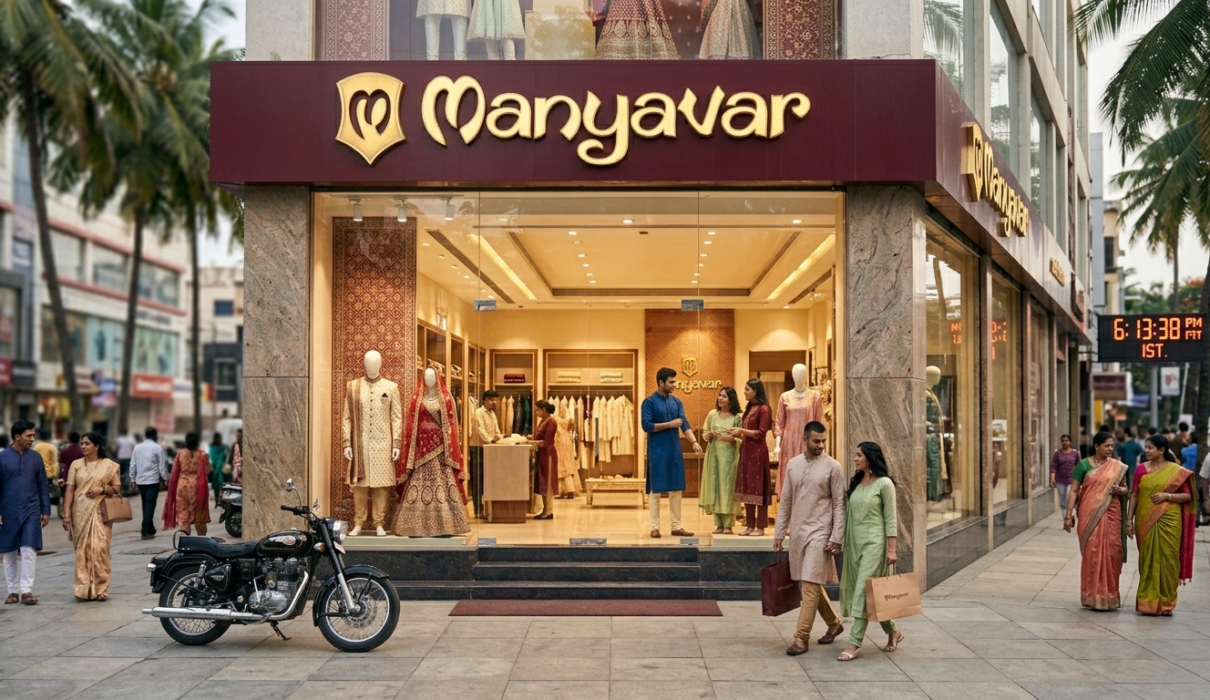
- Physical Retail as an Experience: Why the Store is a Family Destination
- Mohey & Brand Expansion: Taking Over the Entire Wedding Stage
- Key Lessons for Marketers & Founders
- The Growth Flywheel: Turning Tradition into Recurring Revenue
1. The “Groom Gap”: Finding the Market Nobody Wanted
For decades, the Indian wedding industry was obsessed with the Bride. Designers spent millions on Lehengas, while men were left with “functional” outfits from local tailors.
Manyavar saw this unorganized mess and realized men wanted to feel aspirational too. They standardized the experience, brought “Designer” looks to the masses, and gave men a national brand they could finally trust.
2. Occasion-Based Branding: Selling the Moment
Most brands fight over “Daily Wear.” Manyavar chose to own the “Special Day.”
- The Shift: They stopped asking “How do we sell more Kurtas?” and started asking “How do we become part of the wedding ritual?”
- The Result: When you position yourself for a wedding, the customer’s price sensitivity drops. You aren’t buying a shirt; you’re buying a memory.
3. The Virat Kohli Effect: Modernizing Tradition
Manyavar’s use of Virat Kohli and Anushka Sharma (and later Alia Bhatt and Ranveer Singh) wasn’t just about fame.
- The Message: They showed that being “Culturally Rooted” is actually very “Modern.”
- #TaiyaarHain: Their campaigns didn’t just show clothes; they showed the nervous, happy, and emotional preparation behind the wedding.
4. Retail Strategy: Why the Store is a “Family Hub”
While the world went “Digital-First,” Manyavar went “Experience-First.” Wedding shopping in India is a team sport involving parents, siblings, and cousins. Manyavar stores are designed for this:
- Large trial rooms for the “big reveal” to the family.
- Prime locations that signal status and trust.
- Standardized sizing that removed the headache of multiple tailor visits.
5. Pricing: The “Affordable Premium” Sweet Spot
Manyavar isn’t a “budget” brand, but it isn’t “Sabyasachi luxury” either. They sit in the middle.
- The Logic: Weddings justify a higher spend (₹10,000 – ₹40,000 for a Sherwani), making the brand accessible to the middle class while maintaining a premium aura.
| Segment | Manyavar’s Approach |
| Target Audience | Aspiring Middle & Upper Class |
| Primary Pricing | ₹3,000 to ₹30,000+ |
| Value Prop | Designer looks at standardized prices |
6. The Growth Flywheel: Ritualizing the Brand
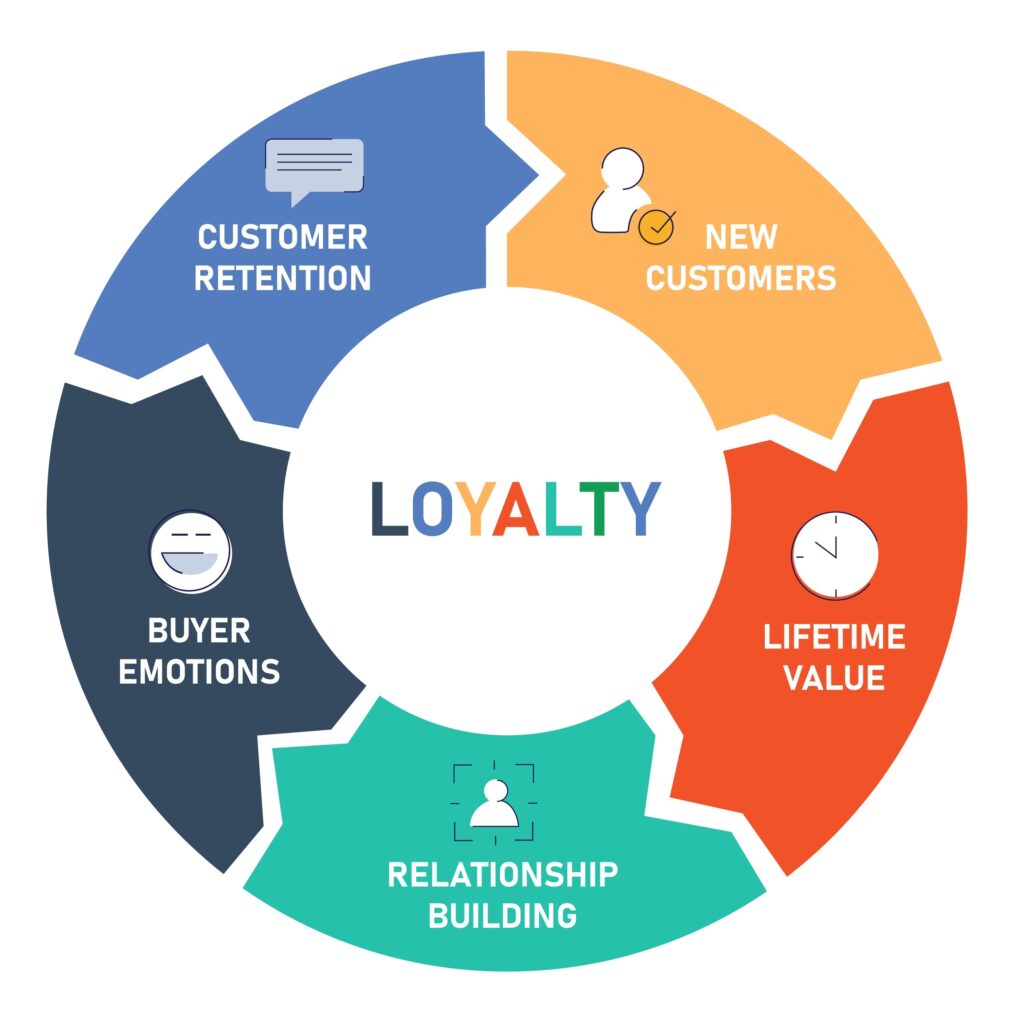
Manyavar has built a loop that is incredibly hard for competitors to break:
- Occasion Focus builds deep trust for big events.
- High Visibility at weddings acts as free “word-of-mouth” marketing.
- Mohey (Women’s Wear) allows them to capture the entire wedding party.
- Repeat Visits for smaller festivals (Diwali, Eid, Rakhi) keep the brand top-of-mind.
Key Takeaways for Marketers
- Own the Occasion: If you can associate your brand with a specific life event, you win the category.
- Standardize the Unorganized: Find a fragmented market (like local tailors) and bring professional reliability to it.
- Emotional Over Functional: People buy how they want to feel, not just what they want to wear.
Final Thought
Manyavar’s strategic collaborations with prominent figures like Virat Kohli, Anushka Sharma, Alia Bhatt, and Ranveer Singh extend beyond mere celebrity endorsement; they embody a cultural resonance that aligns with the brand’s ethos. By prioritizing an Experience-First approach, Manyavar transforms wedding shopping into a collective family affair, meticulously designing their stores to foster connection and engagement. Positioned within the “Affordable Premium” pricing bracket, the brand expertly balances accessibility and quality, ensuring relevance in a competitive market. Ultimately, Manyavar has not only established a retail presence but has successfully ritualized the very essence of Indian celebrations, merging tradition with modern convenience.