

 By
By In a world where every fashion brand is trying to sell you a “luxury lifestyle” you can’t afford, one Indian startup decided to do the exact opposite. They didn’t try to look premium. They didn’t try to look elite.
They chose to be Bewakoof (Stupid).
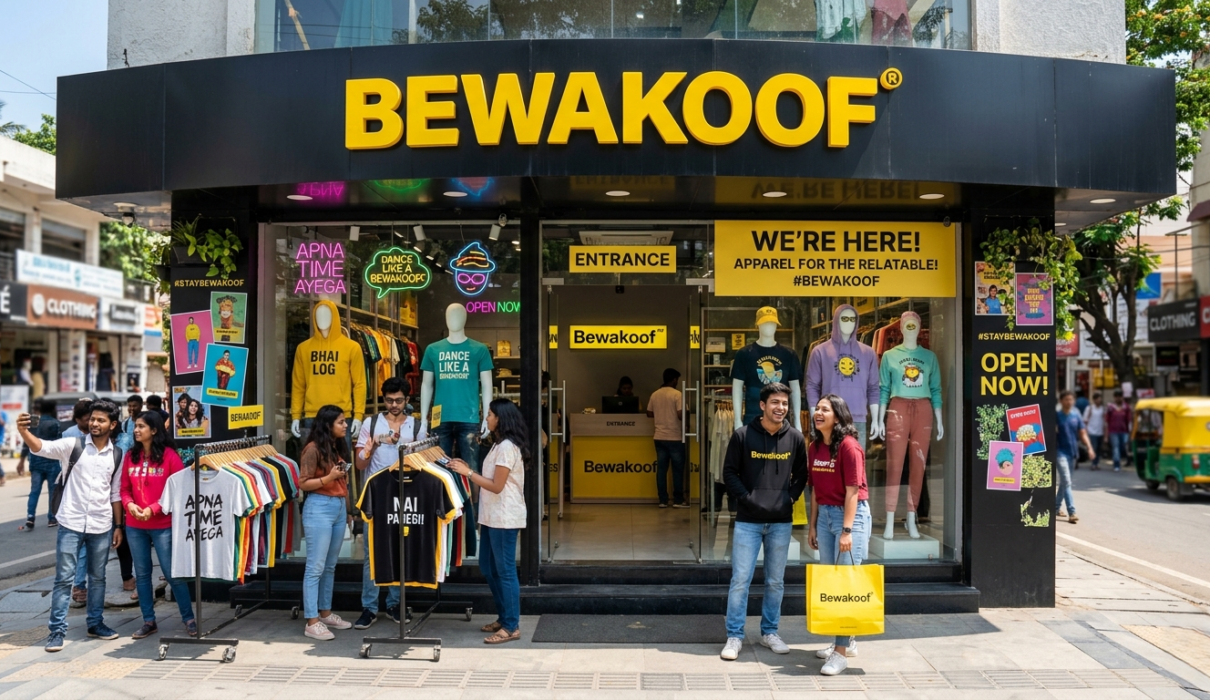
Launched in 2012, Bewakoof.com didn’t just sell t-shirts; they sold a vibe. By tapping into the “relatability” of the Indian youth, they turned a funny name into a ₹250+ crore D2C powerhouse. Here’s the breakdown of how they built a cult brand by simply being themselves.
Table of Contents
- The Anti-Aspirational Play: Why “Real” Beats “Perfect”
- The Secret Sauce: Moving from Fashion to Self-Expression
- Humanizing the Brand: Why Bewakoof Sounds Like Your Best Friend
- The “Content-First” Model: Selling Memes, Not Just Merchandise
- Pricing for the People: High Value, Low Friction
- The D2C Flywheel: Building a Community of Superfans
- Key Lessons for Modern Marketers
1. The Anti-Aspirational Play: Why “Real” Beats “Perfect”
Most fashion brands are like that one cousin who only posts filtered vacation photos—they sell an image of perfection. Bewakoof realized that the Indian youth was tired of trying to fit into a “luxury” box.
The Strategy: They embraced the “unfiltered” life. Instead of high-fashion models in Paris, they focused on the college student in a hostel or the employee dreading a Monday. By being approachable, they removed the “intimidation factor” that keeps people from hitting the ‘Buy’ button.
2. Moving from Fashion to Self-Expression
Bewakoof understood a deep psychological truth: We don’t wear clothes; we wear our personalities.
- The “Relatability” Factor: Their designs aren’t just patterns; they are jokes, pop-culture nods, and “desi” sarcasm.
- The Mood Match: Whether it’s a “Pyar ek Dhoka Hai” tee or a Marvel collaboration, the product reflects the wearer’s current mood.
Human Take: When you wear a Bewakoof shirt, you aren’t just making a fashion statement. You’re telling a joke or starting a conversation.
3. Why Bewakoof Sounds Like Your Best Friend
If you read a Bewakoof newsletter or Instagram caption, it doesn’t feel like a corporate press release. It’s witty, casual, and occasionally self-deprecating.
By humanizing their brand voice, they’ve achieved something rare in FMCG: Emotional Familiarity. You don’t “shop” at Bewakoof; you hang out with them. This lowers the barrier to trust and makes the brand much more memorable than a generic retailer.
4. The “Content-First” Model: Selling Memes, Not Just Merchandise
Most brands create content to sell products. Bewakoof creates content that people actually want to see, and the product just happens to be there.
- Meme Marketing: Their social media is a goldmine of relatable Indian humor.
- The Hook: By making you laugh, they win your attention. Once they have your attention, the sale follows naturally.
5. Pricing for the People: Affordable, Not Cheap
India is a price-sensitive market, but “cheap” can be a brand killer. Bewakoof found the “Goldilocks Zone”:
- Accessible Pricing: High enough to feel like quality, low enough to be an impulse buy for a student.
- Perceived Value: Because the designs are unique and “limited edition,” the perceived value is much higher than the actual price tag.
6. The D2C Flywheel: Building a Community
As a Digital-First (D2C) brand, Bewakoof owns the entire relationship with the customer. They don’t just have buyers; they have advocates.
- Direct Feedback: They use social media polls to decide which designs to launch next.
- User-Generated Content: Fans love tagging the brand in their “OOTD” (Outfit of the Day) posts because the brand actually engages back.
Key Lessons from the Bewakoof Playbook
- Speak the Language: If your audience uses slang and memes, you should too.
- Attention is Currency: Build a community through content before you try to sell a product.
- Be Authentic: In a world of filters, the “unfiltered” brand stands out.
- Solve for Identity: Don’t just sell a utility; sell a way for people to say, “This is who I am.”
Final Thought
Bewakoof didn’t win by having the “best” fabric or the lowest prices in the world. They won by being the most understood brand in India. They realized that in the age of the internet, people don’t just buy what you do—they buy who you are.